Water along a basement edge
Water repeatedly collects along a basement edge or floor-wall joint and may need a new interior drainage path.
Basement and yard drainage
A French drain creates a drainage path for water that repeatedly collects around a basement, foundation, low area, or yard. The right location and outlet depend on where the water gathers and where it can be directed safely.
A French drain is a drainage system that uses a trench, stone or gravel, and commonly a perforated pipe to collect water and move it toward a suitable outlet. It may be used beside a foundation, along an interior basement perimeter, or in a wet yard. French drain installation focuses on creating a new drainage path. Repairing an existing foundation drain is a different service. See foundation drainage repair when a drain is already in place and no longer manages water.
These signs can point toward a new drainage path. They do not mean every wet basement needs a French drain.
Water repeatedly collects along a basement edge or floor-wall joint and may need a new interior drainage path.
Water collects beside the foundation after rain and may need an exterior drainage route.
A low or soggy yard area stays wet and may need a defined drainage route toward a suitable discharge point.
Surface runoff keeps gathering in the same place and may need a new collection and drainage route.
A new drainage route may be needed where no effective drain exists. If an existing drain used to work and no longer does, see foundation drainage repair.
French drain installation is a drainage service for creating a new path where water repeatedly collects. The right location depends on where the water gathers and where it can be directed safely.
For suitable basement water problems where a drainage path along the inside perimeter may collect water and direct it toward an appropriate outlet or sump system.
For suitable exterior conditions where water needs a drainage path beside the foundation. Wall waterproofing is a different service.
For low or wet areas where water repeatedly collects and needs a defined drainage route toward a suitable discharge point.
For properties where recurring water needs a new collection and drainage route rather than repair of an existing drain.
Use what you can see to find the most relevant next page. You do not need the drain type name first.
What you notice
Water repeatedly collects in one yard or low area
Possible direction
A new drainage path may be needed
Relevant service
What you notice
Water needs a new drainage path beside the foundation
Possible direction
Exterior French drain installation may be relevant
Relevant service
What you notice
Basement-edge water may need a new perimeter drainage path
Possible direction
Interior French drain or broader basement water control
Relevant service
What you notice
An existing foundation drain used to work but no longer manages water
Possible direction
Existing drain may need repair
Relevant service
What you notice
Water enters through one visible foundation crack
Possible direction
Localized crack problem
Relevant service
What you notice
The outside foundation wall itself needs waterproofing or protection
Possible direction
Exterior wall protection may be involved
Relevant service
What you notice
Water appears throughout several basement areas
Possible direction
Broader interior wet-basement problem
Relevant service
These signs can help identify the next service to consider, but they are not a diagnosis. Drain location, slope, outlet conditions, and the source of water all matter.
The work starts with where water collects and whether a new drainage path is needed. The exact layout depends on the property and a suitable outlet.
Determine whether the recurring problem is at a basement edge, a foundation area, a low yard area, or another location.
A suitable route needs to collect water and move it toward an appropriate outlet. Discharge options depend on site conditions. This page does not assume a street, storm-sewer, or neighbor-property outlet.
Depending on the location, a French drain may use a trench, aggregate, and perforated drainage pipe. The mix depends on the job. This is installation service, not a DIY trench guide.
Colorado State University Extension French drain guidance describes a French drain as a rock- or gravel-filled drainage trench, often with pipe, that collects runoff and directs it toward an outlet.
Water can keep collecting when the site has no effective path away from the problem area. Low areas hold rain after storms. Surface runoff follows the slope toward a foundation, basement edge, or yard dip. Existing site drainage may not move that water away well enough. USDA NRCS subsurface drainage guidance also notes that drainage systems depend on site conditions and a suitable outlet for collected water.
Cost depends on drain length, interior versus exterior location, access, depth, outlet location, and site conditions. This page does not publish price ranges. Repair of an existing drain is a different service when that is what the property needs.
A short run along one wall is a different job than a longer drainage path.
A basement French drain and an exterior or yard drain are different scopes.
Floors, walks, landscaping, and how the work area can be reached can change the job.
Installation depth, perforated pipe length, and the amount of aggregate can change the work.
A suitable outlet depends on site conditions. This page does not assume a specific discharge point.
Repair of a drain that already exists is a different service from installing a new French drain.
Step 1 of 4You start
Basement edge, beside the foundation, a yard, or a low area.
Step 2 of 4Timing
After rain, after storms, or as recurring standing water.
Step 3 of 4Also note
That helps distinguish new French drain installation from foundation drainage repair.
Step 4 of 4You know
French drain installation, foundation drainage repair, basement waterproofing, exterior foundation waterproofing, or crack repair.
Akron homes can need a new drainage path when rainwater repeatedly collects in a low area, beside the foundation, or along a basement perimeter. French drain installation focuses on creating that route toward a suitable outlet where site conditions allow. You do not need the drain type name first. Start with where the water gathers, when it appears, and whether a drain already exists. That information can help match the problem to French drain installation or a related drainage or waterproofing service.
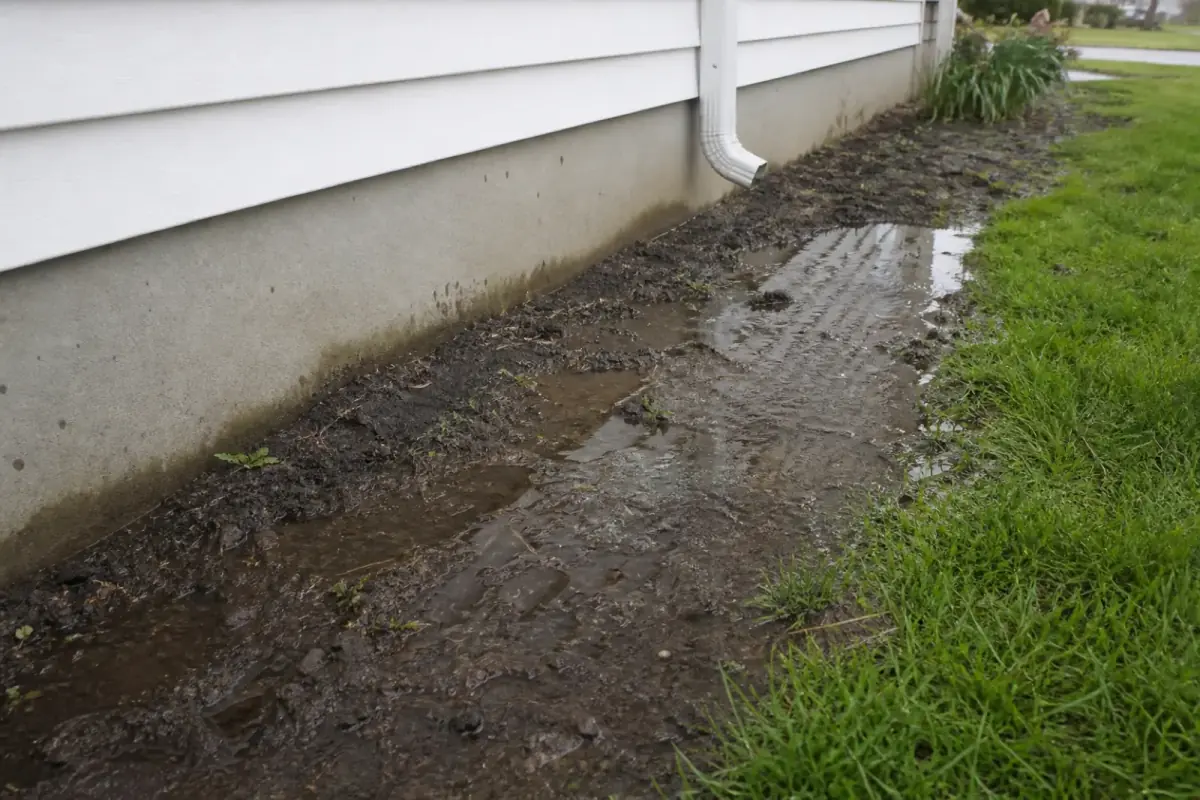
For an existing foundation drainage system that is no longer managing water correctly.
Foundation drainage repair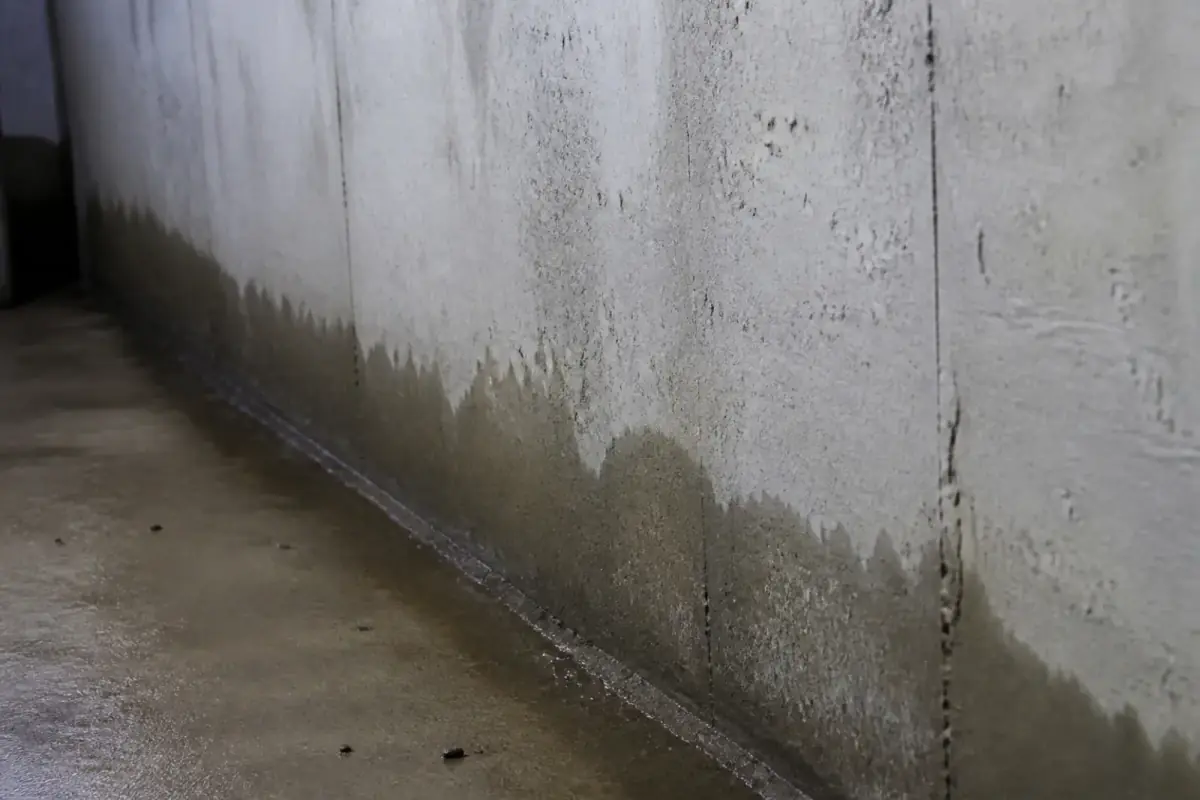
For broader recurring interior basement water problems.
Basement waterproofing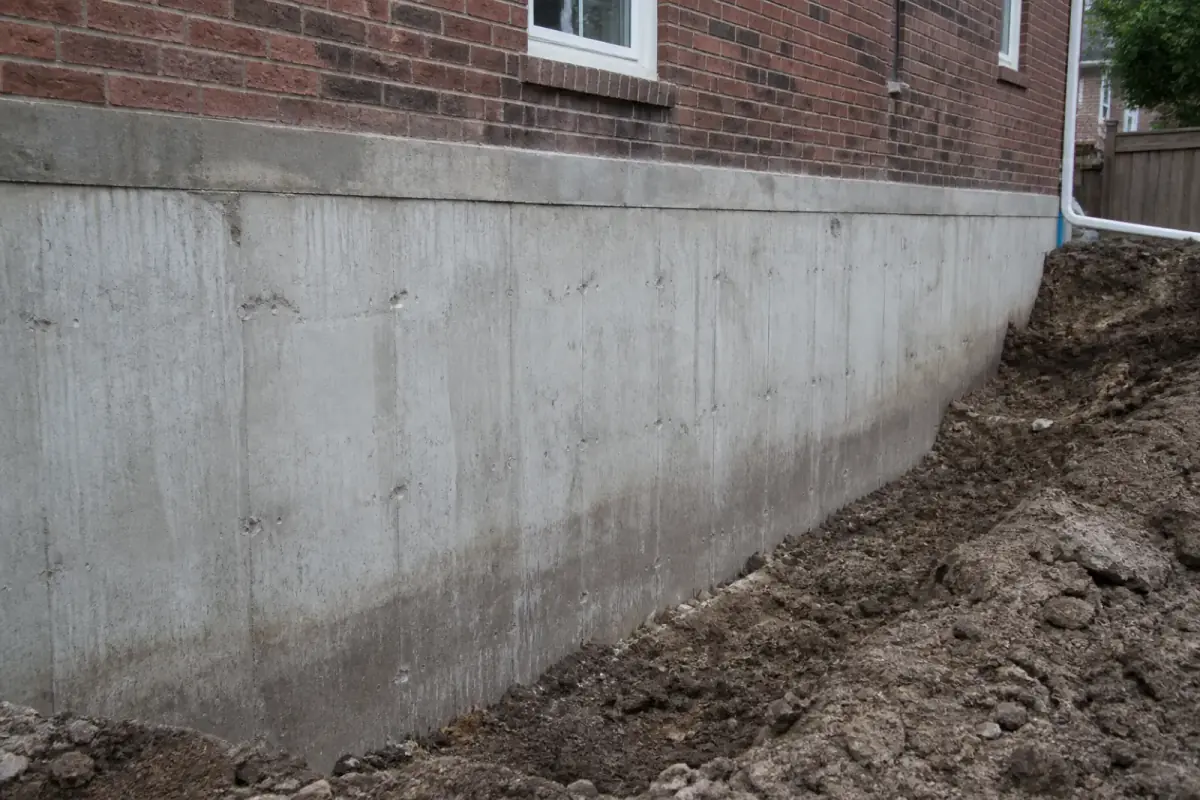
For water problems involving protection of the outside foundation wall.
Exterior foundation waterproofing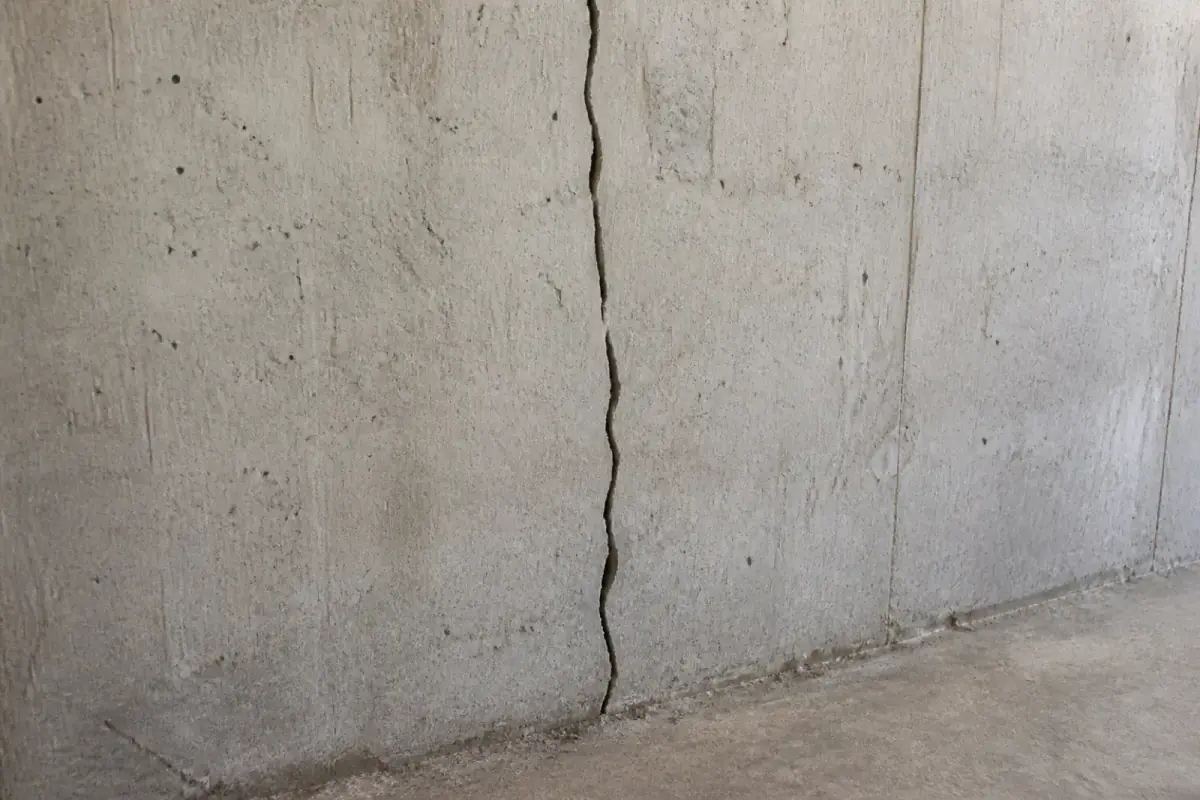
For water entering through one localized foundation or basement wall crack.
Foundation crack repairA French drain may be relevant when water repeatedly collects in one area and needs a new drainage path. That can be a basement edge, beside the foundation, or a low yard area. If a drain already exists and no longer works, start with foundation drainage repair.
Yes. A French drain may be used along an interior basement perimeter, beside a foundation, or in a wet yard. The location depends on where water needs to be collected and moved toward a suitable outlet.
French drain installation focuses on creating a new drainage path or system. Foundation drainage repair focuses on an existing drainage system that is not working correctly. See foundation drainage repair when a drain is already in place.
No. A French drain is one drainage option when a new path is needed. Recurring water across several basement areas may belong on basement waterproofing instead of, or in addition to, a drain.
Cost depends on drain length, interior versus exterior location, access, depth, outlet, excavation, and site conditions. This page does not publish price ranges.
You do not need to know whether a French drain is the right system. Start with what you can see:
That information can help point toward French drain installation or another drainage or waterproofing service. Serving Akron, Ohio.