Sloping or sinking floors
A marble that rolls, a gap at the baseboard, or a floor that feels off can point to settlement.
Sinking and settling foundations
Foundation settlement means part of the home has dropped or moved because the support beneath it has changed.
Signs can include sloping floors, sticking doors, cracks, or one area of the home sitting lower than another.
Foundation settlement repair is used when part of a foundation has sunk or moved because the support beneath it has changed. Signs may include sloping floors, cracks, sticking doors or windows, and one area of the home sitting lower than another. Repair may involve stabilizing or supporting the affected foundation, depending on the condition. It is settlement repair, not a wet-basement-only problem.
A marble that rolls, a gap at the baseboard, or a floor that feels off can point to settlement.
Drywall, brick, or interior finishes can crack where the house has moved.
Frames go out of square when one part of the foundation drops.
One area of the home sitting lower than another can be a settlement sign, especially with sloping floors or cracks.
The right next step depends on whether the foundation needs stabilization, deeper support, or a related floor or drainage service.
For a foundation that has settled, dropped, or continues to move, stabilization may be used to support the affected area.
For some settlement conditions, support may need to extend deeper below the existing foundation or footing. See foundation pier installation when deeper support may be relevant.
Sloping or sagging floors can appear with settlement, but floor-specific problems should be considered separately when the foundation is not the main cause. See uneven floor repair.
Start with what you can see. You do not need the repair method first.
What you see
One part of the home appears lower
Possible issue
Foundation settlement may be relevant
Relevant service
What you see
Foundation appears to be sinking
Possible issue
Sinking or settling foundation
Relevant service
What you see
Doors or windows bind with sloping floors
Possible issue
Possible settlement movement
Relevant service
What you see
Cracks appear above a lower area
Possible issue
Dropped foundation area
Relevant service
What you see
Uneven or sagging floor without clear foundation movement
Possible issue
Floor-specific concern
Relevant service
What you see
Settlement may require deeper support
Possible issue
Underpinning or pier support may be relevant
Relevant service
What you see
General structural problems beyond settlement
Possible issue
Broader foundation repair
Relevant service
What you see
Drainage or water conditions accompany movement
Possible issue
Soil support may be affected by water
Relevant service
These signs can help identify the next service to consider, but they are not a diagnosis.
Settlement repair focuses on supporting the foundation where settlement has occurred. The goal is to stabilize the affected area rather than treating every sign as a floor-only problem.
For some settlement conditions, underpinning or pier support may transfer support deeper below the existing footing. See foundation pier installation for that method path.
If drainage is affecting soil conditions, see foundation drainage repair. If floors remain uneven or sagging, see uneven floor repair where appropriate. Broader structural problems may belong with foundation repair in Akron.
The support under a foundation can change. Soil can lose strength, water can affect the ground around a footing, and fill that was not compacted well can settle later. Fill, old drainage paths, or different soils under one house can let one corner drop. Poor drainage can also move support from under a footing over time. Foundation performance can be affected by soil support, site conditions, drainage, and settlement, as FEMA foundation guidance notes.
The ground under a footing can lose support and let part of the foundation drop.
Water around the foundation can change how the soil holds the footing.
Fill and disturbed soils need proper compaction when they are expected to support a building, and unstable soil can contribute to settlement, as USDA NRCS urban soil guidance notes.
There is no single price for every settling foundation. Cost depends on the movement, the support needed, and how the work has to be done.
A small drop and a larger movement are not the same job.
One corner is a different scope than a long wall that has settled.
Soil conditions and the support depth needed can change the plan.
Stabilization and deeper pier support are different kinds of work.
Interior access, exterior access, and excavation can change how the work is done.
Foundation type, other structural conditions, and whether pier support is required all affect the scope.
Step 1 of 4You start
Floor slope, cracks, sticking doors, a lower foundation area, or other changes you can see.
Step 2 of 4Timing
Which part of the home appears affected?
Step 3 of 4Also note
Drainage, water, floor problems, wall movement, or other changes around the foundation.
Step 4 of 4You know
That may be settlement repair, pier support, uneven-floor repair, drainage, or broader foundation repair.
Foundation settlement can show up as sloping floors, sticking doors, cracks, or one area of a home sitting lower than another. When several of these signs appear together, the problem may extend beyond cosmetic drywall or flooring changes.
Drainage around the house and changes in support under a footing can make those signs more noticeable. A porch that has pulled away or an addition that sits lower can be part of the same settlement question. Homes near former fill, or where downspouts have washed the soil, can settle even if nearby houses look fine. The local service target is Akron, Ohio.
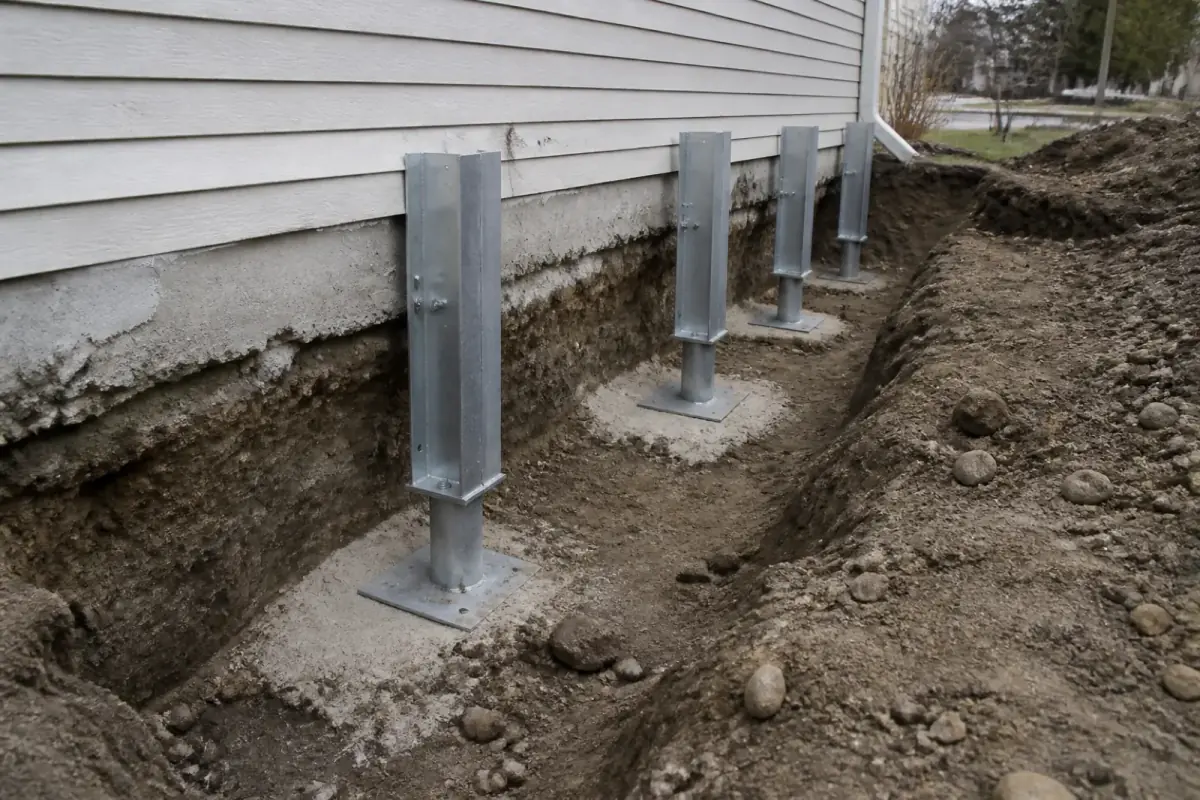
For settlement conditions where deeper foundation support may be relevant.
Foundation pier installation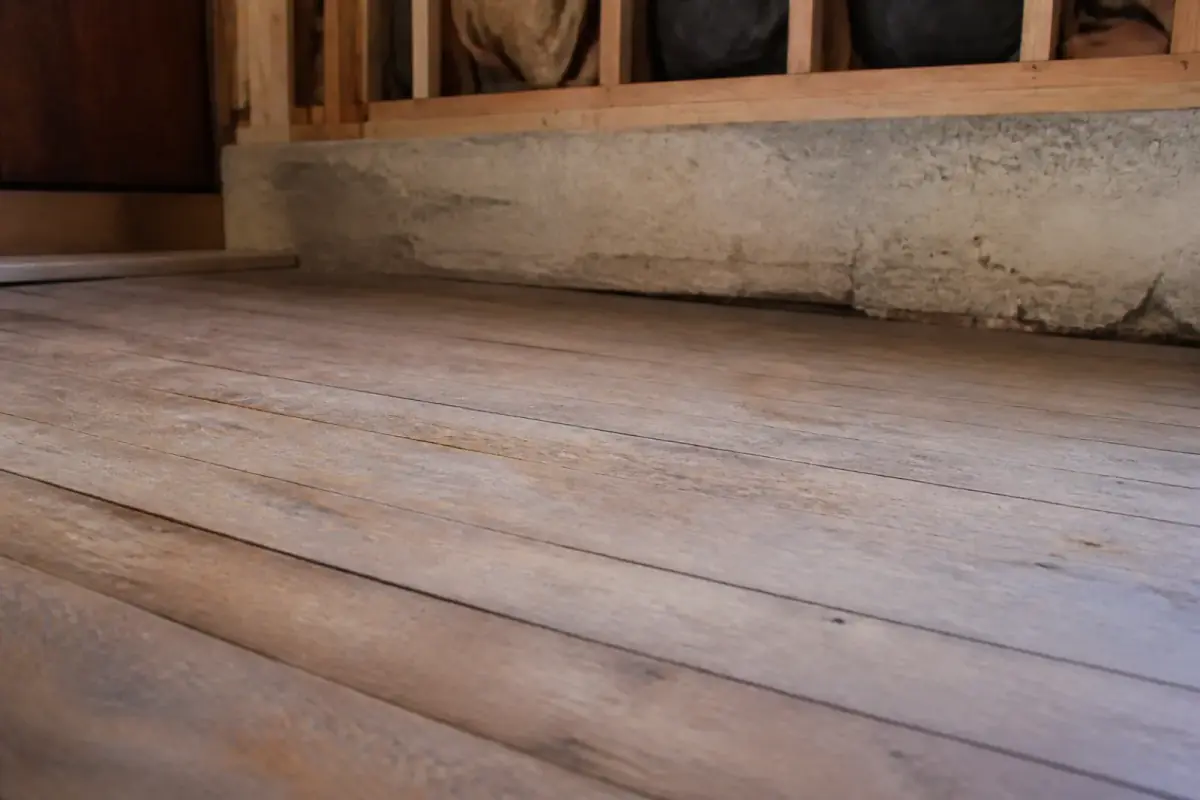
For floor-specific sloping, sagging, or uneven-floor concerns.
Uneven floor repair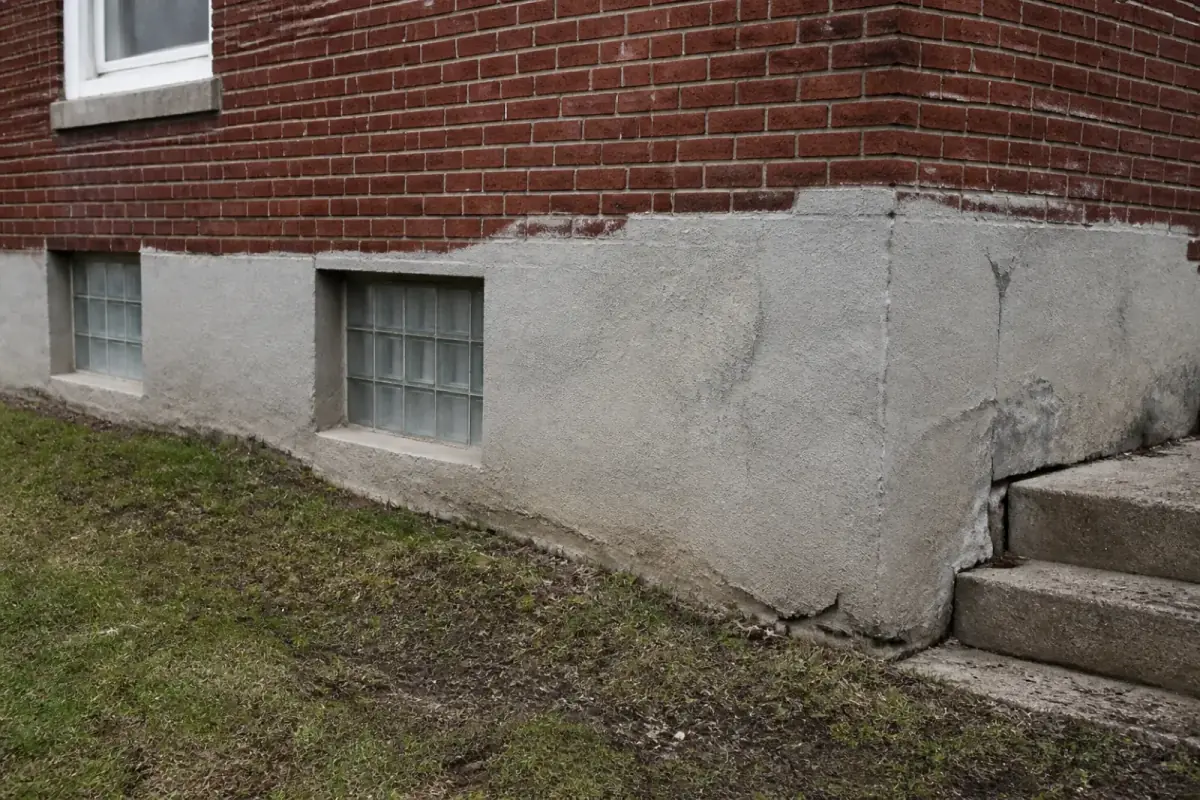
For broader structural foundation problems beyond settlement alone.
Foundation repair in Akron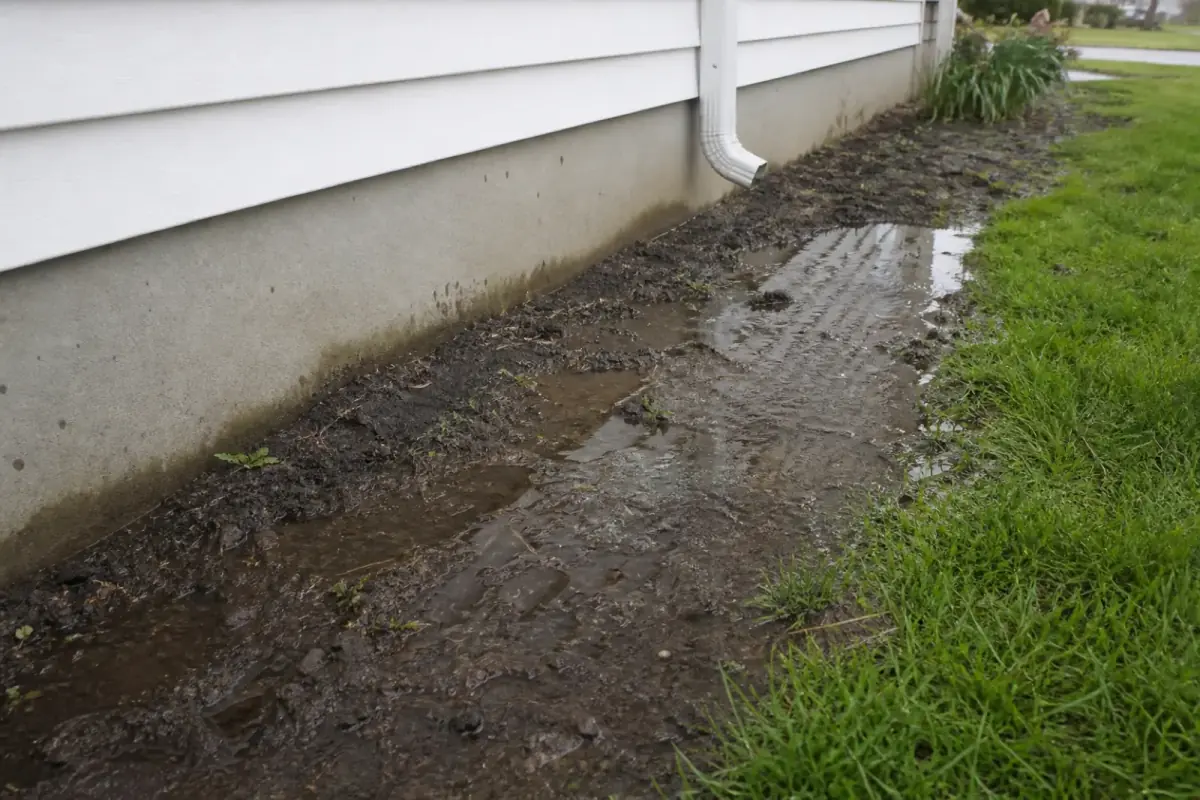
For drainage conditions around the foundation that may need separate attention.
Foundation drainage repairHomeowners often use both words for the same problem. A sinking or settling foundation means part of the structure has moved downward because the support beneath it has changed. Foundation settlement repair focuses on that movement.
Common signs include sloping or sinking floors, cracks above a dropped area, doors or windows that bind, and one part of the home sitting lower than another.
No. The repair path depends on the condition and support needs. Pier systems are one possible method for certain settlement situations. See foundation pier installation when deeper support may be relevant.
Yes. A sloping floor can appear when part of the foundation has dropped. Floor-specific problems should still be considered separately when the foundation is not the main cause. See uneven floor repair.
Cost depends on how much the foundation has settled, the length affected, soil and support conditions, access, excavation, foundation type, and whether deeper pier support is required. There is no single price for every home.
You do not need to know which repair method is needed. Start with what you can see.
That information can help point toward the right settlement repair or related foundation service. Serving Akron, Ohio.