Water returns in the same area
A leak that was once controlled can come back if the existing drain is blocked or no longer moving water.
When drains stop working
If a foundation drain is already in place but water keeps returning, the system may be clogged, damaged, disconnected, or unable to move water properly. Foundation drainage repair focuses on the existing drain and its water path.
Foundation drainage repair focuses on an existing drainage system around the foundation that is no longer moving water as intended. The problem may involve blockage, a damaged or crushed section, a disconnected line, or an outlet that is not working properly. Repair may involve clearing the existing system, correcting a damaged section, or restoring the drainage path. If no effective drain exists and a new path is needed, French drain installation is a separate service.
These signs can point toward an existing drain problem. They do not mean every wet foundation has a failed drain.
A leak that was once controlled can come back if the existing drain is blocked or no longer moving water.
The ground beside the wall or footing stays wet long after rain.
The drain that is already in place may drain slowly or no longer seem to help.
Where a drain feeds a sump, the pit may receive little or irregular flow.
Water problems can return in the same place even when a drainage system is already present.
Repair starts with the drain that is already there. The right option depends on whether the line is blocked, damaged, disconnected, or no longer reaching its outlet.
For situations where blockage or buildup may be limiting an otherwise usable drain. Flushing does not solve every blockage.
For an existing drain section that may be crushed, collapsed, broken, or otherwise damaged. The work depends on the section and access.
For drainage lines or outlets that are disconnected, poorly connected, or not moving water away as intended. The right outlet depends on the property.
For an existing system where part of the drainage route needs correction. This is not the same as installing an entirely new French drain.
Use what you can see to find the most relevant next page. You do not need the drain type name first.
What you notice
Existing foundation drain is clogged or draining slowly
Possible direction
Existing drain may need repair
Relevant service
What you notice
Existing drain pipe is damaged, crushed, or collapsed
Possible direction
Damaged section of an existing drain
Relevant service
What you notice
Existing drain no longer moves water to the intended outlet
Possible direction
Outlet or flow path may need correction
Relevant service
What you notice
Existing drain appears disconnected or incomplete
Possible direction
Connection problem on an existing system
Relevant service
What you notice
No effective drainage path exists and a new drain is needed
Possible direction
New drainage path may be needed
Relevant service
What you notice
Water appears across several interior basement areas
Possible direction
Broader interior wet-basement problem
Relevant service
What you notice
Outside foundation wall itself needs water protection
Possible direction
Exterior wall protection may be involved
Relevant service
What you notice
Water enters through one localized crack
Possible direction
Localized crack problem
Relevant service
These signs can help identify the next service to consider, but they are not a diagnosis. The existing drain condition, water source, connections, outlet, and access all matter.
An existing foundation drain can stop moving water when the line is blocked by sediment, debris, or roots. A damaged, crushed, or collapsed drain section can also interrupt flow. A disconnected line or an outlet that is not working as intended can send water back toward the footing. U.S. EPA foundation drainage guidance also treats footing and perimeter drains as part of foundation moisture control that needs attention when the system stops working as intended.
Cost depends on how easy the existing drain is to reach, how much of the line is affected, whether the issue is blockage, damage, or an outlet problem, and whether repair is practical. This page does not publish price ranges. A new drainage path is a different service when that is what the property needs.
A shallow outside line is a different job than a drain under a slab or a tight side yard.
One clogged fitting is not the same as a long collapsed run.
Clearing a usable drain is a different job than repairing a crushed or collapsed section.
A disconnected line or an outlet that is not moving water as intended can change the work.
Drain depth, excavation if needed, and surrounding landscaping or hardscape can change the job.
If the existing drain cannot be restored, a new drainage path is a different service.
Step 1 of 4You start
Drain, drain tile, footing drain, perimeter drain, or a sump connection.
Step 2 of 4Timing
Water returning, slow drainage, wet footing area, or weak sump flow.
Step 3 of 4Also note
Wall, footing, basement edge, outside foundation, or outlet area.
Step 4 of 4You know
Foundation drainage repair, French drain installation, basement waterproofing, exterior foundation waterproofing, or crack repair.
An existing foundation drainage system can become less effective when a drain is blocked, damaged, disconnected, or no longer moves water to its intended outlet. When water keeps returning near the same wall or footing, the existing drainage path may need attention. The goal is to determine whether the current system can be restored or whether a different drainage service is more appropriate. Penn State Extension stormwater guidance also notes that runoff and downspouts should be managed so water is directed away from the foundation.
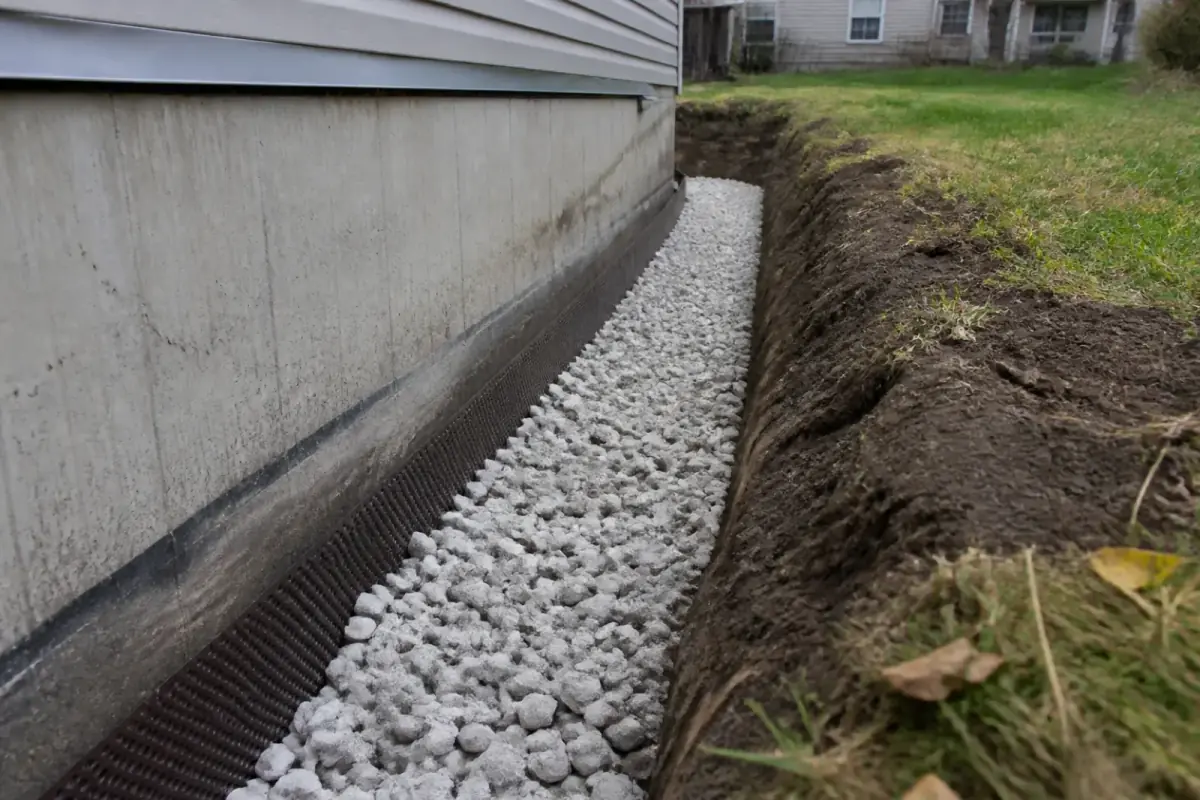
For situations where a new drainage path or system is needed.
French drain installation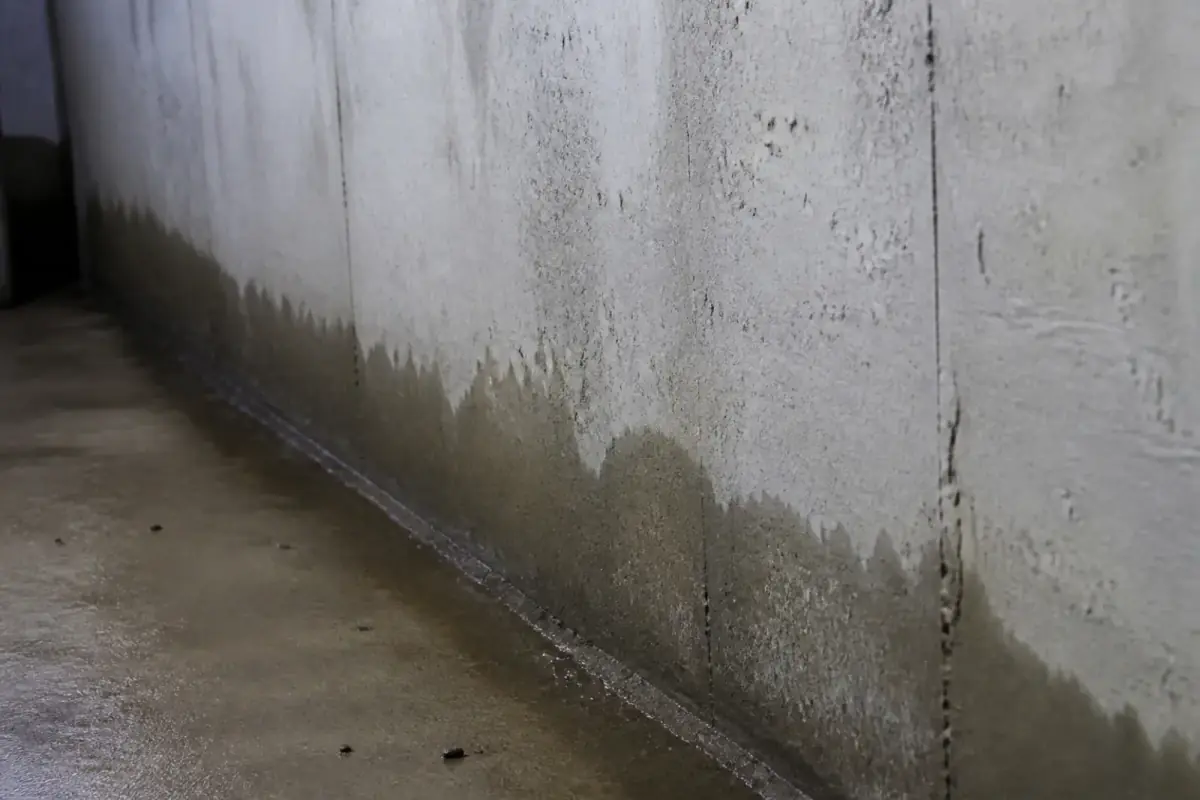
For broader recurring interior basement water problems.
Basement waterproofing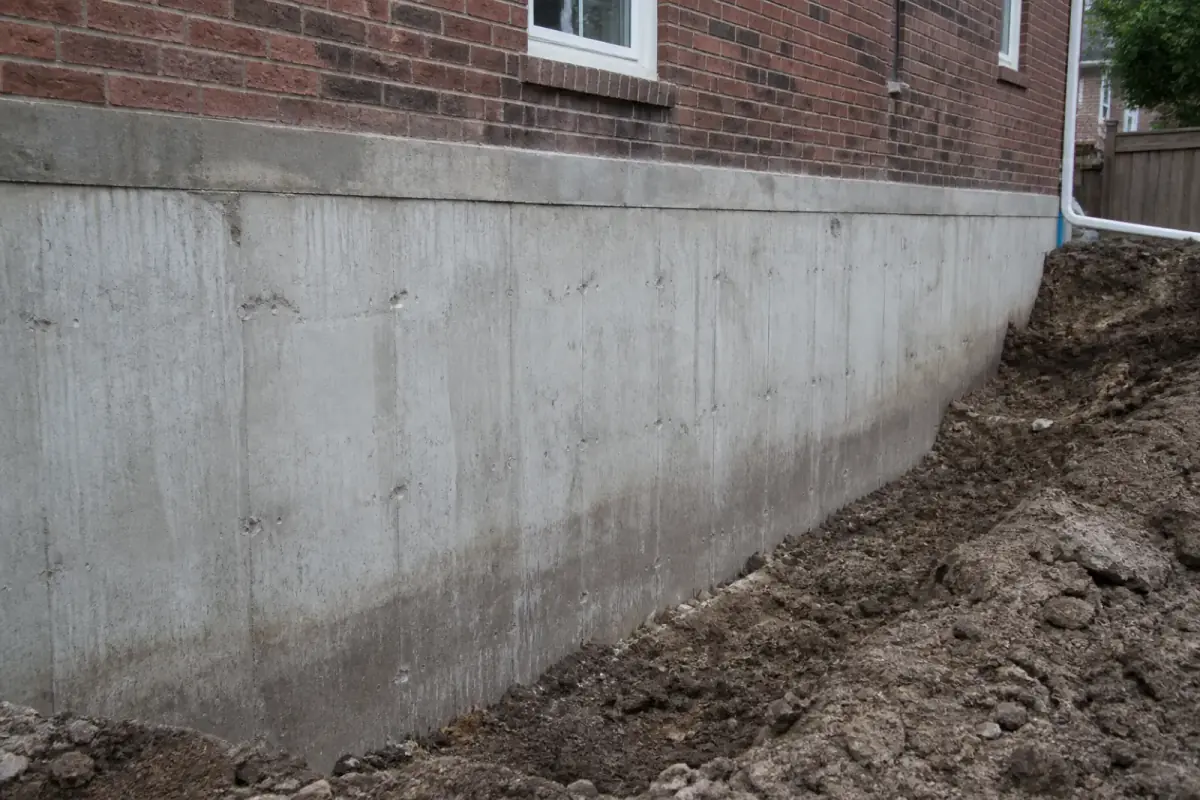
For water problems involving protection of the outside foundation wall.
Exterior foundation waterproofing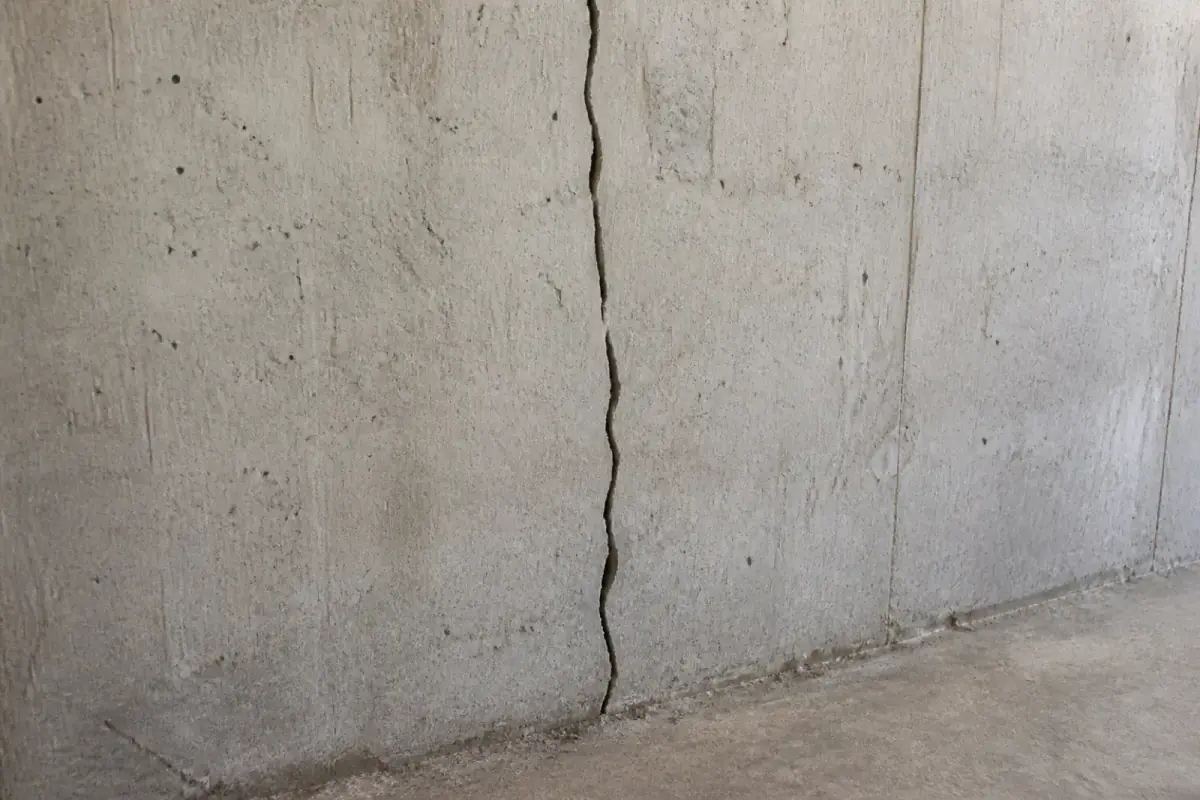
For water entering through one localized foundation or basement wall crack.
Foundation crack repairWater that returns in the same area, wet ground near the footing, slow drainage, irregular sump flow, or water that continues even though a drain is already in place can point toward foundation drainage repair. These signs are not a diagnosis.
Some blockages may be addressed without replacing the entire drainage system, depending on pipe condition and location. Flushing does not solve every blockage. A damaged or collapsed section may need a different repair.
Foundation drainage repair focuses on an existing drainage system. French drain installation focuses on creating a new drainage path or system. See French drain installation when no effective drain exists and a new path is needed.
No. An existing drain problem is one possible cause. Recurring water across several basement areas may belong on basement waterproofing.
Cost depends on access, how much of the drain is affected, whether the issue is blockage, damage, or an outlet problem, and whether repair is practical. This page does not publish price ranges.
You do not need to know exactly what failed. Start with what you can see:
That information can help point toward foundation drainage repair or another drainage or waterproofing service. Serving Akron, Ohio.